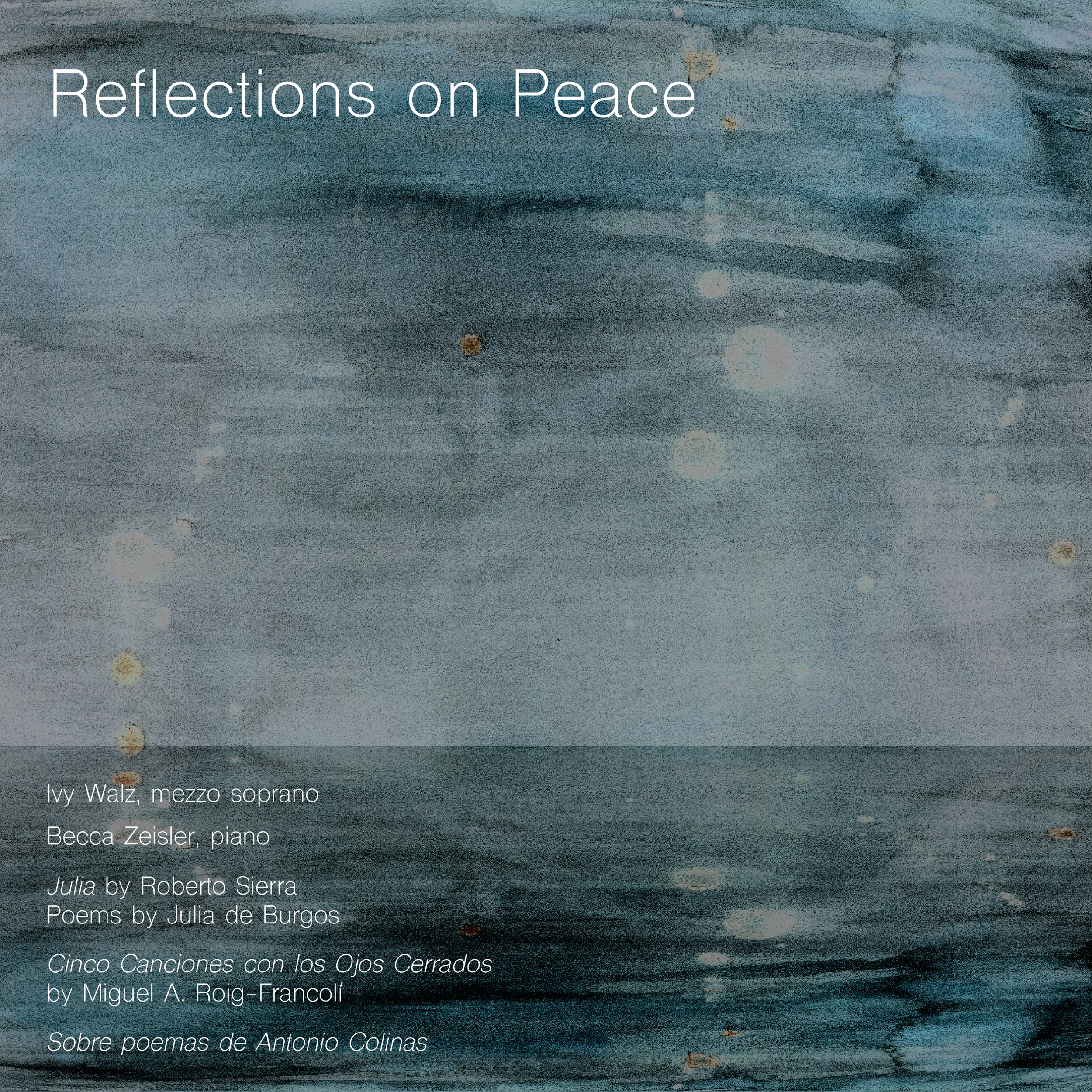
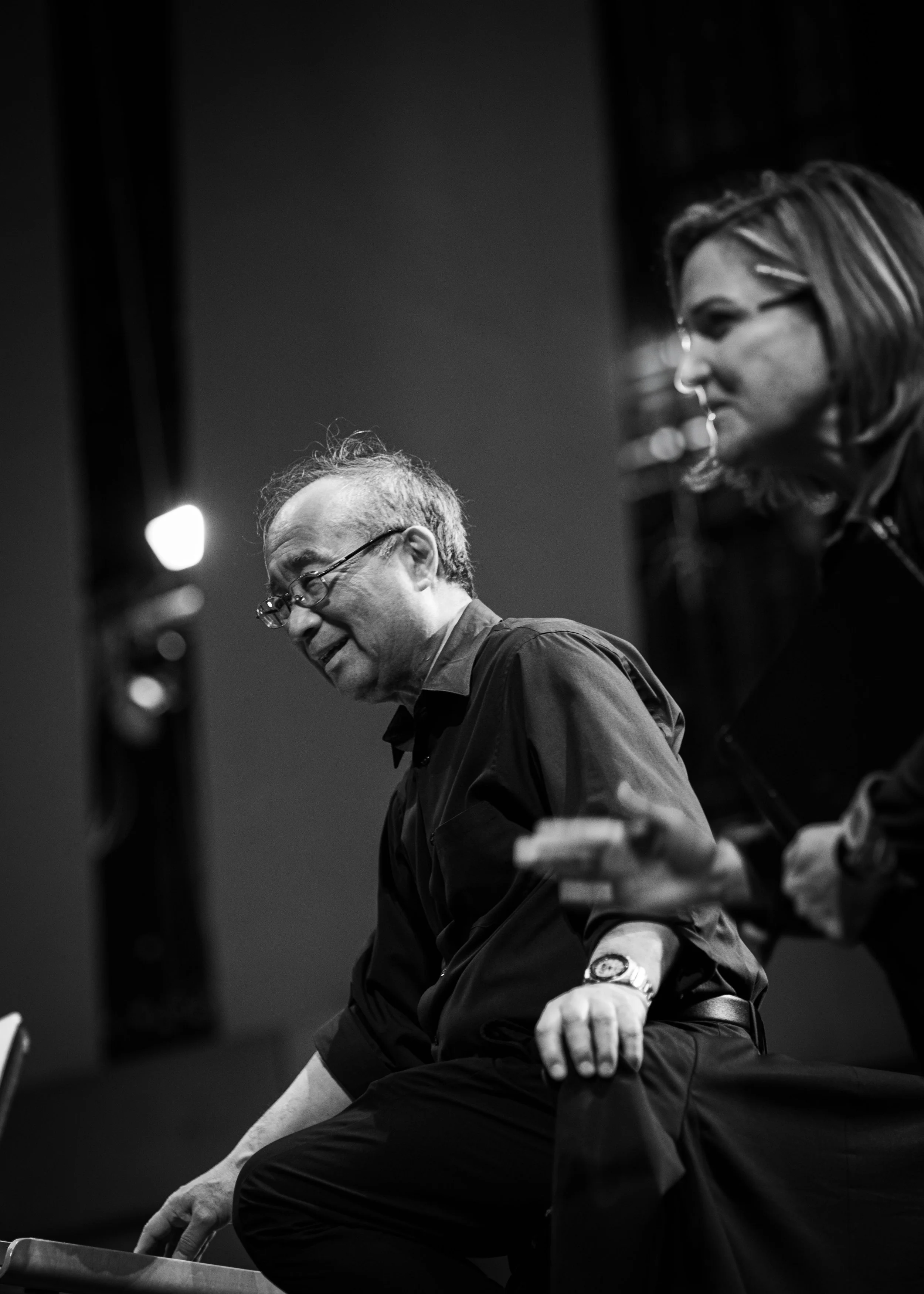
In 2024, I was invited to perform with colleagues from the Texas Tech School of Music at the National Center for the Arts (CENART) in Mexico City. The recital, presented on August 30, was titled Del Otro Lado del Muro: Una Noche de Música sin Fronteras ("On the Other Side of the Wall: A Night of Music Without Borders"). As we carefully selected repertoire for the program, our guiding theme became music's extraordinary ability to transcend geographical boundaries, creating opportunities to connect cultures, traditions, emotions, and even foster peace.
I had the distinct honor of performing Roberto Sierra's Julia on that program, with Becca Zeisler as my collaborator. As I immersed myself in the poetry and legacy of Julia de Burgos, I was deeply moved by both her artistic voice and personal story. Sierra's settings captivated me from the beginning, and even after multiple performances of the cycle, I continue to discover new ways of inhabiting these remarkable songs. His musical language offers endless opportunities for nuance, expression, and connection.
My exploration of Julia sparked a new area of inquiry: contemporary and twenty-first-century art song on Spanish-language texts. As I navigated a cross-country move and a season of significant personal and professional transition, it felt like the perfect moment to open new artistic doors.
That inquiry soon led me to the beautiful and poignant song cycle Cinco canciones con los ojos cerrados (2011) by composer Miguel A. Roig-Francolí, set to poems by Antonio Colinas. I was already familiar with the acclaimed premiere performed in 2013 by colleagues at the College-Conservatory of Music at the University of Cincinnati, a performance I greatly admired. Inspired by the work, I wrote to Miguel to request the score. He warmly embraced the idea of a mezzo-soprano performing the cycle and, at my request, generously made several adjustments to better suit my voice.
As I began preparing the songs, I found myself drawn into their rich melodic and harmonic architecture. Through Roig-Francolí's music, vivid imagery, colors, and emotional subtleties emerged, providing countless opportunities to communicate the depth and beauty of Colinas's poetry.
Becca Zeisler and I performed Cinco canciones con los ojos cerrados on several occasions during 2025 and 2026, culminating in a recital titled Sueños nocturnos por la paz: Night Dreams for Peace, presented at CENART in Mexico City on January 31, 2026. This invitation grew directly from the relationships and artistic collaborations established through our 2024 appearance at the center. The performance was particularly well received, and many audience members cited these songs as a highlight of the evening. Shortly thereafter, we recorded the cycle at Texas Tech University in February 2026.
Composer Miguel A. Roig-Francolí writes of the work:
"The poetry of Antonio Colinas (b. 1946), one of the leading Spanish poets of my generation, and an old friend of mine, features numerous aspects in common with my own musical and artistic interests: concern with form and detail of craft, respect for and reliance on the past, rejection of avant-garde excesses, asymmetrical and uneven rhythms and meters, interest in meditative moods, in the infinite, in light.
Colinas' verses are masterfully crafted, highly expressive, and essentially musical, as demonstrated by his set Five Songs with Closed Eyes. My own songs on these poems by Colinas came out of the verses in a flowing, natural, and almost effortless way, always following the text very closely. I simply brought out my musical vision of these poems, or my hearing of the music that sounds in them. I particularly enjoyed the challenge of engaging musically with the free verse lengths and meters, the depth of content, and the great variety of moods, colors, and meanings afforded by this compelling poetry, already considered classical in Spanish literature."
In many ways, the seeds of this project were planted long ago. Throughout my career, I have been drawn to the rich and expansive traditions of Spanish and Latin American art song, a repertoire of remarkable beauty, depth, and cultural significance. This recording represents both a continuation of that journey and the beginning of new artistic explorations. I invite fellow musicians, scholars, and listeners to join me in studying, performing, and promoting this repertoire so that its power to transcend borders, build understanding, and foster human connection may continue to reach new audiences.